
India: Field Notes on Democracy
The ads on TV whisper “Incredible India.” And then you see images of temples, colorful textiles, yogis, tigers, and the Taj. It’s almost a cliche: India, with 1.2 billion people, is the world’s largest democracy. However, democracy is more than just elections. When you examine the actual policies of the Indian state you find a country with acute inequalities. Alongside its IT billionaires, Bollywood and cricket stars and industrial magnates, there are more hungry people in India than in all of sub-Saharan Africa. A juggernaut of injustices has sparked a wave of rebellions. In addition to long-standing resistance in Kashmir and the northeast region there are armed insurgencies in a large swath of the country. Predatory corporations are pushing people, largely indigenous, off their land to gain access to resources. It’s all done in the name of progress and democracy.
Recorded at Gund Hall, Harvard.
Speaker

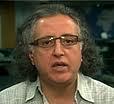
Arundhati Roy
Arundhati Roy is a world-renowned, award-winning writer and global justice activist. Tariq Ali says of her, “She is both loathed and feared by the Indian elite. Loathed because she speaks her mind. Feared because her voice reaches the world outside India and damages the myths perpetrated by New Delhi.” She is the recipient of the prestigious European Essay Prize for lifetime achievement, and the PEN Pinter Prize for telling “urgent stories of injustice with wit and beauty.” Among her many books are The God of Small Things, Capitalism: A Ghost Story, My Seditious Heart, and Azadi. Her latest books are The Architecture of Modern Empire and Mother Mary Comes to Me.




Reviews
There are no reviews yet.