
Lebanon 2-Pack
2CDs
Includes:
Hezbollah
Hezbollah, party of God in Arabic, is a major component of Lebanon’s political and social life. The party, led by Sayyed Hassan Nasrallah, represents the historically underrepresented Shia, the country’s largest group. Lebanon has a complex sectarian-based political structure, a legacy of French colonialism. Each of the country’s 18 religious sects is allocated seats in parliament. And top governmental positions are designated, e.g., the president must be a Maronite Catholic, the prime minister, a Sunni, and the speaker of the parliament, a Shia. The division of power continues despite radical shifts in Lebanon’s demographics. Hezbollah came to worldwide prominence during its battle with Israel in the summer of 2006. It is routinely depicted in Western media in negative terms. Interview by David Barsamian. Recorded at Lebanese American University.
The War on Lebanon
In July 2006, in response to a Lebanese Hezbollah cross border raid, which killed and captured several Israeli soldiers, Israel launched an intensive bombing campaign on Lebanon. More than a thousand Lebanese were killed and serious damage was done to the country's infrastructure. Israel claimed it was acting in self-defense. Most saw the scale of the retaliation as disproportionate. The United States blocked calls for an early ceasefire and provided arms to Israel. It should be recalled that Israel occupied Lebanon from 1982-2000 sowing bitterness among many Lebanese. Seymour Hersh has reported that Washington endorsed in advance Tel Aviv's plan to bomb Lebanon. U.S. support of Israel in the war has intensified already high anti-American feelings in the region. Lebanon is left with massive rebuilding costs and a fragile internal political structure. Recorded at the University of Colorado.
Speakers
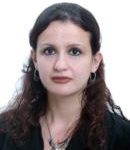
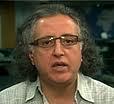
Amal Saad-Ghorayeb
Amal Saad-Ghorayeb is an expert on Hezbollah and her book, Hezbollah: Politics and Religion on the Lebanese party has been widely praised and cited. She taught political science at Lebanese American University in She is a visiting scholar at the Carnegie Endowment for International Peace’s Middle East Center in Beirut.
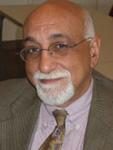
Nubar Hovsepian
Nubar Hovsepian is an associate professor emeritus of political science at Chapman University in Orange, California. He served from 1982 to 1984 as political affairs officer for the United Nations Conference on the Question of Palestine. He edited and contributed to The War on Lebanon. He is the author of Palestinian State Formation: Education and the Construction of National Identity and Edward Said: The Politics of an Oppositional Intellectual.

Reviews
There are no reviews yet.